
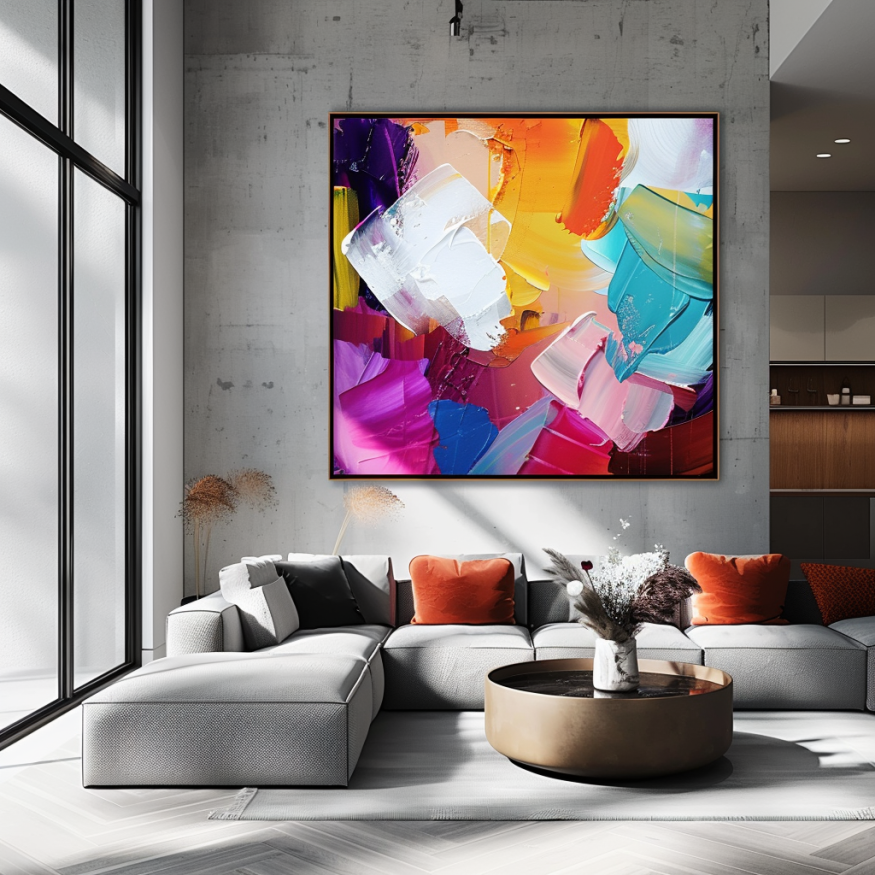
A home is more than a physical space — it’s an emotional environment. The way a room feels can influence our mood, energy, and sense of comfort, often without us consciously realizing why.
Art plays a powerful role in shaping these feelings. Beyond style and decoration, artwork affects how we experience a space through color, form, movement, and balance. A single piece can bring calm, warmth, focus, or energy, subtly guiding the atmosphere of a room.
In this way, art does more than complete an interior. It shapes how a space feels, turning rooms into places that support emotion, intention, and everyday living.
The Emotional Power of Art
Shapes, lines, and composition have a direct impact on how we perceive a space. Soft curves tend to feel calming and organic, while strong lines and structured forms create a sense of order and clarity. Even without conscious analysis, our eyes respond to balance, rhythm, and proportion.
Art often acts as a visual anchor within a room. It gives the eye a place to rest and helps organize the surrounding elements. When a space has a clear focal point, it feels more stable and intentional, which naturally creates a sense of comfort.
We intuitively “feel” spaces because our brains constantly interpret visual information. Art communicates on a non-verbal level, shaping atmosphere through subtle cues rather than explanation. This is why the right artwork can instantly change how a room feels — even before we understand why.
Color and Emotion in Art
Color strongly influences how a space feels on an emotional level. Neutral tones such as soft whites, warm beiges, gentle greys, and muted earth colors create a sense of calm and balance. They help a room feel open, grounded, and easy to spend time in.
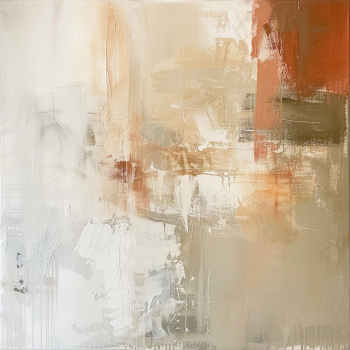
Warm hues bring a feeling of comfort and intimacy. Subtle shades of terracotta, sand, soft browns, and warm neutrals add warmth without overwhelming the space. Used thoughtfully, warm tones make interiors feel welcoming and lived-in.
Contrast introduces energy and visual interest. Bold accents, deeper tones, or sharp contrasts can add movement and personality to a room, especially when used in a single artwork. The key is restraint — contrast works best when it has room to breathe.
Overloading a space with too many colors can quickly create tension and visual fatigue. In emotionally balanced interiors, color is used with intention. Allowing artworks to stand out against a calm backdrop helps maintain harmony and ensures the space feels composed rather than chaotic.
Movement, Flow, and Visual Rhythm
Movement in art shapes the emotional rhythm of a space. Soft, flowing forms tend to feel natural and calming, while rigid geometry introduces structure and control. Both can be effective, but they create very different atmospheres.
When a composition suggests movement, the eye naturally follows its path. Curved lines and gradual transitions guide attention gently across the artwork, creating a sense of ease and continuity. This visual flow helps a space feel more relaxed and balanced.
Organic Flow works especially well for creating calm interiors. Inspired by natural movement, it avoids sharp contrasts and rigid boundaries, allowing the artwork to feel fluid and alive. In living spaces, this softness encourages rest, reflection, and emotional comfort.
How Different Art Styles Affect Mood
Different art styles create different emotional responses. Choosing the right style helps shape how a space feels and how it’s experienced day to day.
Clean Minimal
Clean minimal art brings clarity and calm. With reduced forms, balanced compositions, and generous negative space, it creates a quiet visual environment that supports focus, rest, and mental clarity.
Organic Flow
Organic flow art introduces softness and emotional balance. Its fluid shapes and natural movement reduce visual tension, making spaces feel warmer, more relaxed, and intuitively comfortable.
Modern Abstract
Modern abstract art adds expression and energy. Through bold forms and dynamic compositions, it brings character and creative tension, helping spaces feel alive and visually engaging without becoming overwhelming.
Choosing Art Based on the Feeling You Want
Selecting art becomes easier when you start with the feeling you want a space to evoke. Different rooms serve different emotional purposes, and artwork can support each one in subtle but powerful ways.
For calm and focus, such as in bedrooms or workspaces, art with clean compositions, soft tones, and minimal contrast works best. Clean minimal or gentle organic forms help reduce visual noise, encouraging rest and concentration.
In spaces meant for warmth and comfort, like living rooms, art with softer shapes, warm hues, and natural flow creates a welcoming atmosphere. These pieces add depth and emotion without overpowering the space, making it feel inviting and lived-in.
For areas that benefit from energy and creativity, such as studios or hallways, more expressive art can be effective. Modern abstract pieces with stronger contrast or dynamic composition introduce movement and inspiration, bringing life to transitional or creative spaces.
Art as an Extension of Personal Emotion
Choosing art is often an intuitive process. Rather than analyzing every detail, many people are naturally drawn to pieces that reflect how they feel or how they want a space to feel. Trusting this instinct helps create interiors that feel personal and authentic.

Our mood is closely connected to our visual environment. Colors, forms, and composition subtly influence emotional states, while at the same time responding to them. When art aligns with our inner state, the space feels more comfortable and supportive.
In this way, art becomes a reflection of personal emotion. It carries meaning beyond decoration, turning walls into expressions of identity, memory, and feeling. The most meaningful spaces are often those where art resonates on an emotional level, not just a visual one.
Curated Art for Emotional Spaces at Silta
At Silta, we curate art with mood and atmosphere in mind. Each piece is selected not only for its visual qualities, but for the feeling it brings into a space — calm, warmth, balance, or energy. Our approach focuses on how art lives within real interiors and everyday environments.
Curated collections help simplify the process of choosing art. Instead of searching endlessly, you’re guided toward artworks that already share a common emotional tone and visual harmony. This makes it easier to create spaces that feel cohesive, intentional, and emotionally balanced.
Whether you’re shaping a calm retreat or an expressive living space, our collections are designed to help you find art that resonates on a deeper level.
Explore art by mood
Conclusion
Art is a powerful tool for shaping atmosphere. Through color, form, and composition, it quietly influences how a space feels, guiding emotion and creating balance without the need for constant change.
Even small adjustments — a new artwork, a different placement, a subtle shift in tone — can have a strong emotional impact. These thoughtful choices allow a space to evolve while remaining calm and intentional.
When chosen with care, art transforms interiors into environments that support mood, expression, and everyday life — proving that atmosphere is not created by size or complexity, but by feeling.
How does art influence the mood of a space?
Art affects mood through color, shape, composition, and visual rhythm. These elements communicate emotionally, helping a space feel calm, energetic, warm, or balanced without the need for explanation.
Can one artwork really change the atmosphere of a room?
Yes. A single well-chosen artwork can act as a visual anchor, shaping how a room is experienced. It can define the tone of the space and influence how the surrounding elements are perceived.
What art styles are best for creating a calm atmosphere?
Styles such as Clean Minimal and Organic Flow work especially well for calm spaces. Their balanced compositions, soft forms, and restrained color palettes help reduce visual tension.
How do colors in art affect emotions?
Neutral tones tend to create calm and openness, warm hues add comfort, and contrast introduces energy. The emotional effect depends on how color is balanced within the overall space.
Should art be chosen based on emotion or style?
Ideally, both. While style helps maintain visual harmony, emotional response is equally important. Art that resonates intuitively often feels more personal and meaningful over time.